
Erosion may be one of the hardest challenges for a property owner to deal with, especially in places where heavy rain, certain types of soil, or disturbed terrain make the ground slick. It’s important to safeguard landscapes, highways, embankments, and building sites against erosion throughout the Phoenix Valley and beyond, not just for looks but also for safety and long-term stability. Geocomposite systems are becoming more popular among engineers and landscaping experts as a possible alternative. These new materials deal with erosion in ways that old technologies can’t, making them work well where it counts.
What Are Geocomposite Solutions?
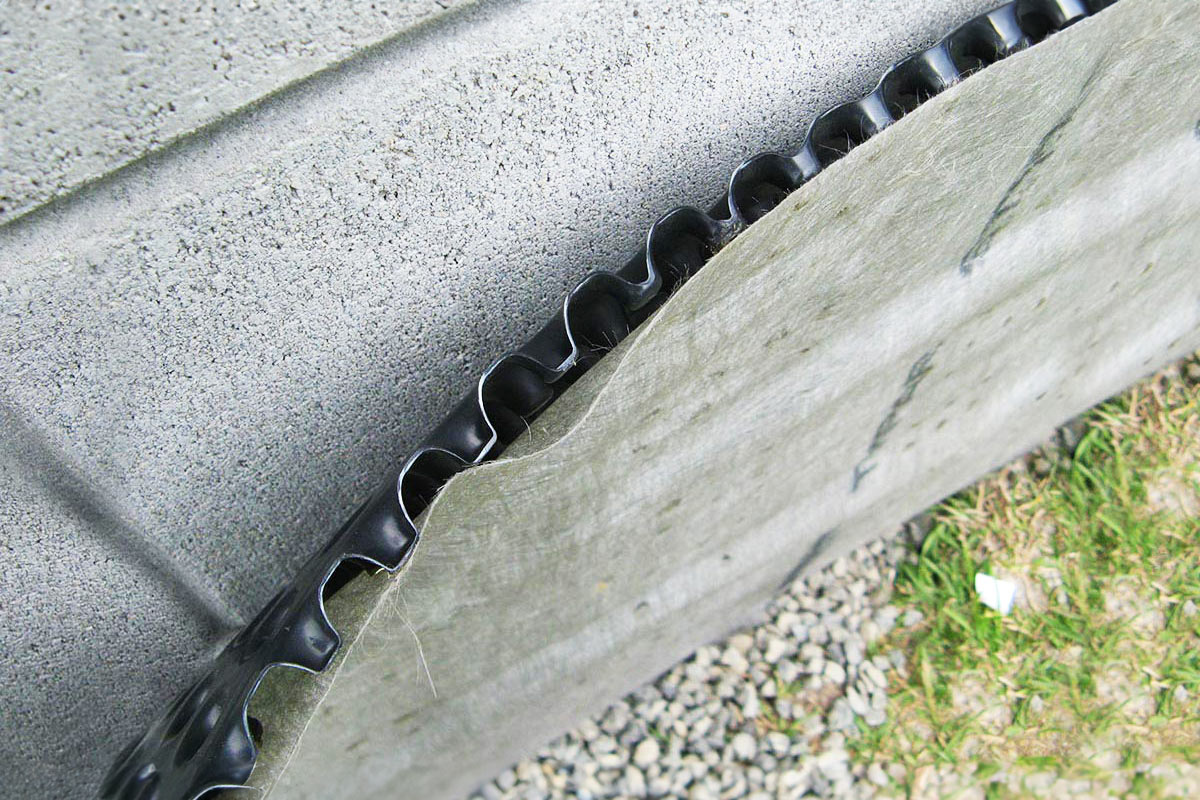
Geocomposites are man-made materials that are formed by mixing two or more geosynthetic products, such geotextiles, geonets, drainage cores, or geomembranes. The goal is to make the most of each part’s strengths and shortcomings. For instance, a geocomposite may include a filtration layer and a drainage core, which would let it filter out small soil particles and transfer water away from an important location.
Geocomposite systems are made to work with the soil and water dynamics of a site, unlike conventional erosion blankets or loose rip-rap. That means they do more than just sit on the surface; they control how water flows, how soil moves, and how plants can grow.
Benefits of Geocomposite Erosion Control
One of the best things about geocomposite systems is how well they work under pressure. For modest projects, traditional erosion control measures like straw wattles, mulch, or erosion control blankets can work effectively. However, they may not function as well when there is a lot of water flow or when the soil is very unstable. On the other hand, geocomposites are designed to withstand larger hydraulic loads and more shear stress without breaking down.
Better drainage is one of the main benefits. A lot of geocomposite products include a core that is made to transport water sideways, away from slopes, behind retaining walls, or into specialized drains. This method of controlling water lowers pore pressure and helps keep dirt from breaking off and washing away.
Another good thing about it is that it filters and holds soil. The geotextile layers of a geocomposite work like a filter, letting water through but catching small soil particles. This keeps slopes and embankments from losing vital topsoil and damaging buildings.
Another benefit is that it helps plants grow. A lot of geocomposite systems may be used with hydroseeding or planting. They make the soil more stable and control the moisture, which makes it easier for roots to grow. This, in turn, makes the slope stronger with natural strength.
Considerations Before Choosing Geocomposite Systems
Geocomposite solutions are strong, but traditional erosion control methods may be cheaper and easier to put in for smaller home projects with less water flow.
Finally, the accuracy of the installation is important. Geocomposites must be installed according to the manufacturer’s instructions and the project’s requirements, as per the site assessment.
Are Geocomposite Solutions a Good Fit for Your Site?
At Eagle Environmental, our staff can help you pick the best erosion control solution for your property by doing an initial assessment, helping you choose a product, and giving you installation advice. Call or email, today!
