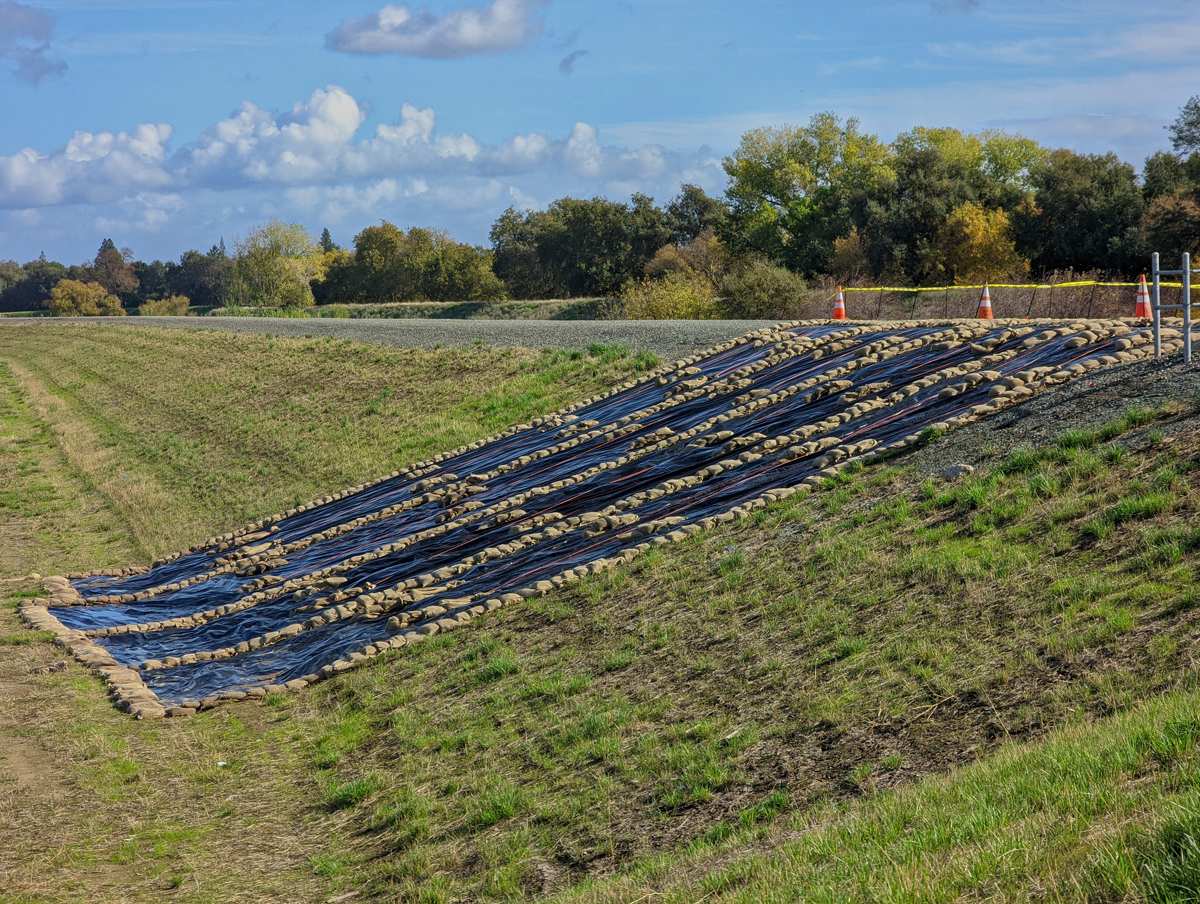
Soil erosion is a natural process that involves the displacement of surface materials by forces of water, wind, or even gravity. Erosion control is used to manage this phenomenon by utilizing techniques specifically designed to stabilize exposed earth surfaces while minimizing soil loss.
How Does Erosion Control Work?
Retaining fertile topsoil is the primary focus of erosion control. Topsoil is rich in organic matter and nutrients needed to sustain healthy plant growth. When this layer of soil is lost, the land’s ability to sustain vegetation and reduce water infiltration is greatly diminished.
One other core objective is preventing sedimentation. This is ultimately designed to protect both environmental infrastructure and quality. When sediment enters waterways, they can cause pollution, clog storm drains, and harm aquatic ecosystems.
Control measures are used to focus on managing stormwater runoff by reducing its volume and velocity. This will then allow for better infiltration and results in decreasing the water’s capacity to transport soil particles.
What Are The Two Categories Of Erosion Control?
Erosion control strategies are typically divided into two categories addressing different levels of severity and site conditions. The first category deals with vegetative and biological stabilization, which is often referred to as bio engineering. This strategy relies on plant life and natural materials to manage soil and water dynamics.
The other category involves structural and engineered solutions, which are known as mechanical control. These methods call for constructing physical barriers or completely altering the landform. Choosing between these two methods depends on the steepness of the slop, intensity of water flow, and the site’s requirements for long-term stability.
Vegetative And Biological Stabilizations
Vegetative methods can be quite impactful as they use the natural mechanisms of plants to bind the earth. Extensive root systems can act as living reinforcements, increasing the soil’s shear strength while also anchoring soil particles. Above-ground foliage can intercept rainfall, reducing the impact energy of raindrops, which can detach soil particles.
Techniques, such as hydroseeding, involve spraying a mixture of water, fertilizer, seed, and mulch onto bare soil. This is done to provide some immediate protection for the surface, as well as promote quick plant growth. Erosion Control Blankets will be installed for steeper slopes. These mats are constructed of straw or coir, helping to shield the soil surface when seeds germinate. The blankets are applied with the purpose of slowing runoff.
Cover cropping utilizes non-cash crops planted during off-season to make sure the soil is never left bare. This continuous cover will protect the ground from both wind and water erosion. It will enhance the structure of the soil, as well.
Structural And Engineered Solutions
Structural solutions are used when vegetative methods are unsuccessful or cannot be implemented. Retaining walls are robust structures built to counteract the soil’s lateral pressure. This will stabilize the steepest slopes and prevent any downslope movement. These walls will eventually create level terraces, interrupting the continuous water flow.
Check dams are mechanical barriers installed across ditches or channels to reduce the concentrated water flow’s velocity. These structures provide support, especially in high-energy environments. Check dams will slow the flow, enabling the deposition of sediment behind them. This helps to ultimately stabilize the channel bed.
Geotextile Solutions And Soil Erosion Control From Eagle Environmental AZ
Eagle Environmental Products, Inc. was formed in 1995 and has been serving the state of Arizona ever since. Our team has over 50 years of combined experience in the geosynthetic and erosion control industry. We specialize in a wide variety of geotextile products such as, woven, non-woven fabrics used in drainage, filtration, stabilization and separation.