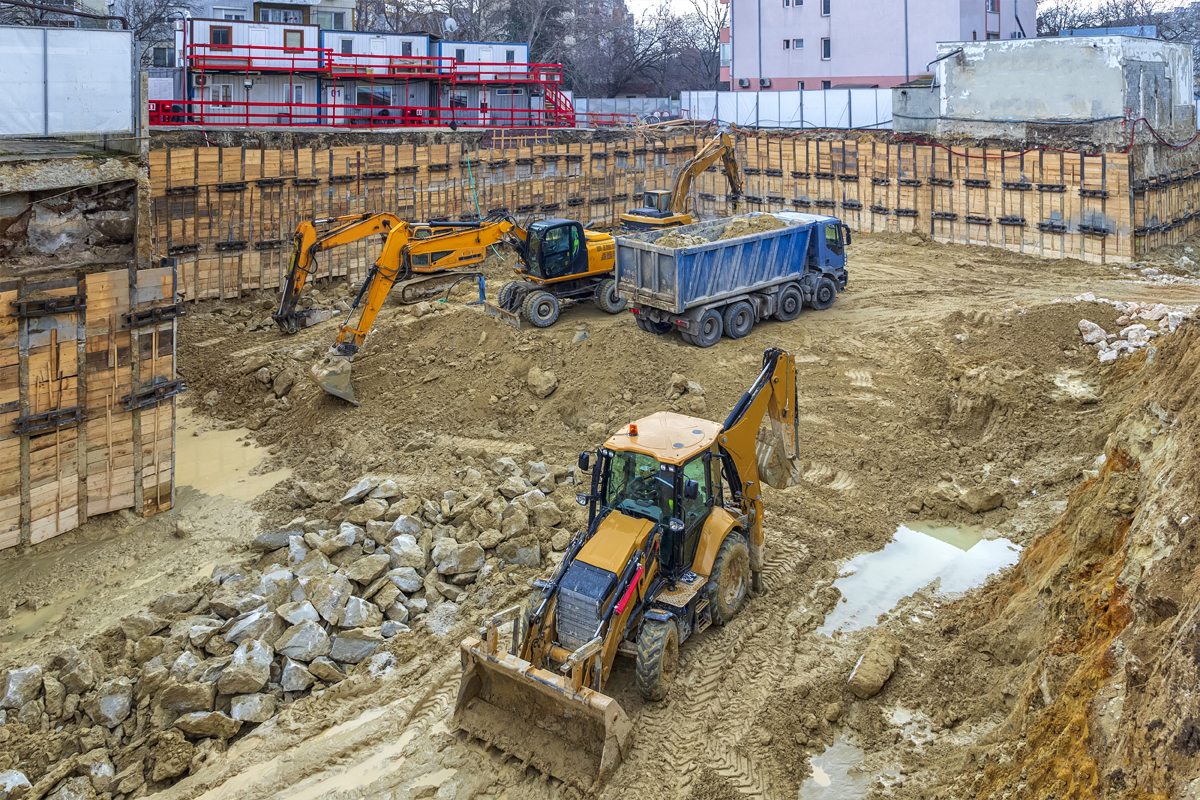
If you have ever seen muddy water running off a construction site after a heavy rain, you have already seen erosion in action. Erosion control is simply the set of steps taken to keep soil from washing or blowing away once the ground has been disturbed.
During construction, the natural layer of grass and plants that normally holds soil in place gets removed. That leaves loose dirt exposed, and it does not take much, just a good rain or steady wind, for that soil to start moving. Erosion control is all about getting ahead of that problem by stabilizing the ground and managing how water flows across the site.
Put plainly, it is about keeping the job site under control so the land does not end up somewhere it should not.
WHY EROSION CONTROL MATTERS
It is easy to think of erosion control as just another requirement on a checklist, but it has real consequences if it is ignored.
When soil leaves a site, it usually ends up in nearby drains, creeks, or rivers. That extra sediment can muddy the water, harm wildlife, and create bigger environmental issues down the line. Even a small project can cause noticeable damage if runoff is not handled properly.
There is also a very practical side to it. Washed out areas, soft ground, and shifting slopes can slow work down or even create unsafe conditions. In some cases, crews have to redo work that was already finished, which costs both time and money.
On top of that, regulations around erosion control are not optional. Inspections are common, and if a site is not up to standard, it can lead to fines or delays that no one wants to deal with.
COMMON EROSION CONTROL METHODS
Most construction sites use a mix of simple, proven methods to keep soil in place. The right approach depends on the layout of the site, the type of soil, and the weather conditions.
Some of the most common solutions include:
Planting grass or other vegetation to hold the soil together naturally
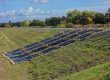
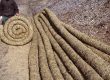
Laying down mulch or protective blankets to cover exposed areas
Hydroseeding, which quickly spreads seed over large sections of land
Shaping slopes so water flows more slowly instead of rushing downhill
Redirecting runoff with channels or barriers
None of these methods are complicated on their own, but when used together, they make a big difference. The key is to reduce how much soil is exposed and how long it stays that way.
EROSION CONTROL VS. SEDIMENT CONTROL
These two terms often get used interchangeably, but they are not quite the same thing.
Erosion control is about stopping the soil from moving in the first place. It focuses on prevention, keeping the ground stable so there is less of a problem to deal with.
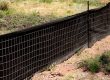
Sediment control comes into play after soil has already been displaced. Things like silt fences or sediment traps are there to catch what has already moved so it does not leave the site.
A well-managed project uses both. One reduces the risk, the other acts as a safety net.
HOW EROSION CONTROL SUPPORTS A SMOOTH PROJECT
When erosion control is handled properly, everything else tends to run more smoothly. A tidier site means smoother operations, and equipment can be relocated with less hassle. Plus, there are fewer surprises.It also reflects well on the people running the project. A site that is under control sends a message that the work is being done professionally and responsibly. That matters, especially when clients, inspectors, or the public are nearby.
In the end, erosion control is not just about avoiding problems. It helps create a more stable, efficient, and predictable work environment from start to finish.
WORK WITH A TEAM THAT GETS IT RIGHT
When you’re gearing up for a construction project, or if you’re already facing site difficulties, the right support can be a game-changer. Eagle Environmental knows how to implement effective erosion control measures, ones that actually perform well in the field. Reach out today to keep your project on track, protect your site, and avoid unnecessary headaches down the line.
REFERENCES
Eagle Environmental Products, Inc. was formed in 1995 and has been serving the state of Arizona ever since. Our team has over 50 years of combined experience in the geosynthetic and erosion control industry. We specialize in a wide variety of geotextile products such as, woven, non-woven fabrics used in drainage, filtration, stabilization and separation.