Why Geotextile Choice Matters
Geotextile fabric is one of those products that does quiet work under the surface. Once it is covered with soil, rock, asphalt, or aggregate, most people never think about it again. Contractors know better. The right fabric can help separate materials, improve drainage, protect liners, stabilize base material, and reduce soil movement.
The wrong fabric can create problems that are expensive to fix later. That is why woven and nonwoven geotextiles should not be chosen by guesswork. They may look similar on a roll, but they are built for different jobs.
When Woven Geotextile Makes Sense
Woven geotextile fabric is made by weaving synthetic strands together into a strong, stable sheet. It is often used where strength and separation are the priorities. Think of roads, driveways, parking areas, construction entrances, aggregate base stabilization, and areas where soft soil needs help carrying a load.
The big advantage is tensile strength. Woven fabric can help spread loads and keep aggregate from sinking into weak soil below. It is a common choice where the goal is to create a firmer working surface or add stability under rock or pavement.
Woven fabric is not always the best choice when drainage is the main concern. Some woven products allow water through, but many are selected more for strength than filtration. That is why it is important to match the fabric to the actual site problem.
When Nonwoven Geotextile Is The Better Fit
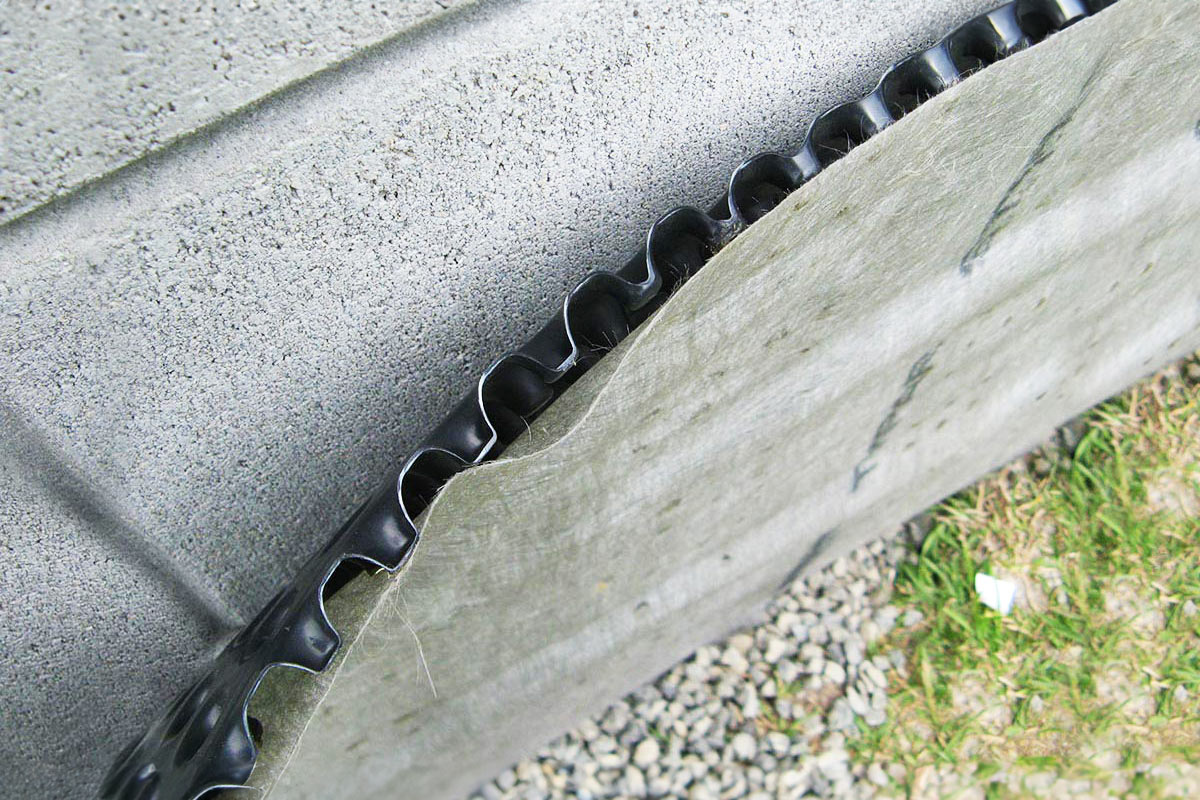
Nonwoven geotextile fabric is made with fibers bonded together into a felt like material. It is commonly used for filtration, drainage, cushioning, and protection. If water needs to pass through while soil particles stay in place, nonwoven fabric is often the better direction.
Common uses include French drains, drainage trenches, rip rap underlayment, pond liner protection, erosion control systems, and separation between soil and drainage rock. Nonwoven fabric can help keep fine soil from washing into aggregate while still allowing water to move through the system.
It can also provide puncture protection for geomembranes and pond liners. In rocky or uneven conditions, that cushioning layer can make a real difference.
Match The Fabric To The Function
The best question is not, “Which fabric is better?” The better question is, “What does this project need the fabric to do?” If the main need is strength and stabilization, woven fabric may be the better choice. If the main need is drainage, filtration, or liner protection, nonwoven fabric may be the smarter option.
Arizona projects add another layer to the decision. Heat, hard soils, rocky ground, flash runoff, and demanding construction schedules can all affect product choice. A fabric that works well in one application may not be right for another only a few miles away.
Get Help Choosing The Right Geotextile
Eagle Environmental Products supplies woven fabrics, nonwoven fabrics, monofilament fabrics, paving fabrics, silt fence fabrics, landscape fabrics, drainage fabrics, stabilization fabrics, and more. If you are unsure which geotextile belongs on your project, contact Eagle Environmental Products. The right recommendation can save time, reduce rework, and help your soil control system perform the way it should.