Geogrid vs Geotextile: What Is The Difference?
A delivery of aggregate arrives at an Arizona job site, but the ground underneath it is loose and unreliable. The contractor knows a geosynthetic product is needed. The question is whether the plans call for geogrid, geotextile, or both.
These materials are sometimes discussed as though they perform the same task. They do not. One generally reinforces aggregate, while the other can separate soil layers and provide filtration. Understanding that distinction can prevent wasted material, installation delays, and problems beneath the finished surface.
What Does Geogrid Do?
Geogrid has an open pattern rather than a continuous fabric surface. Aggregate settles into the openings during placement and compaction.
Geogrid is particularly useful where a weak subgrade must support traffic or construction equipment.
The open structure is central to how it works. It also explains why geogrid alone may not stop fine soil from migrating into the aggregate. A site that needs both reinforcement and separation may require another material beneath it.
Where Does Geotextile Fit?
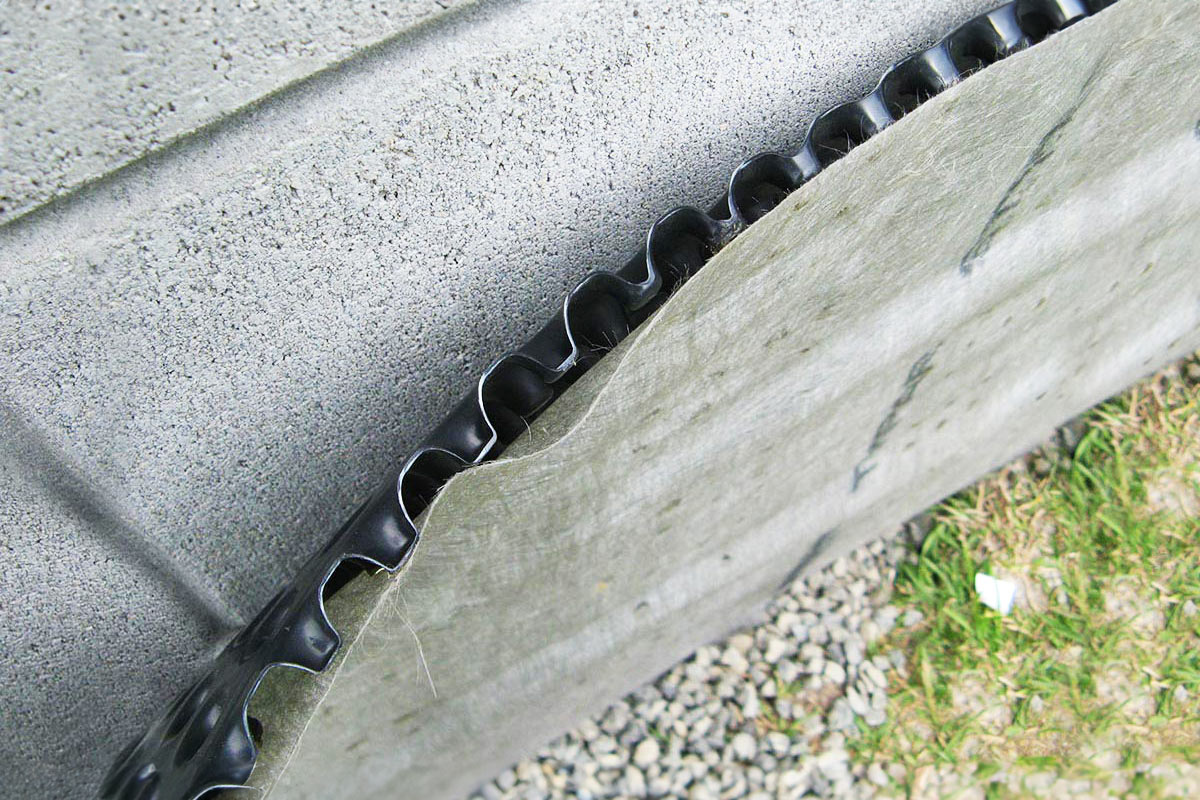
Geotextile is a permeable fabric. It can separate good subgrade soil from rock, while allowing water to pass through the system. This helps maintain the thickness and functionality of an aggregate base.
Woven geotextiles are often chosen for separation and stabilization. Nonwoven products are often used when drainage and filtration are important. These are general distinctions however. Fabric strength, opening size, permeability, soil conditions and project specifications all influence the final selection.
Geotextiles may be installed under roads, parking lots, riprap, French drains and other drainage systems. They can also provide protection between a prepared surface and a liner.
Can A Project Need Both?
Yes. Consider a temporary access road built over soft, fine soil. Geotextile can separate that soil from the imported aggregate. Geogrid can then reinforce the aggregate above it. Each layer handles a different part of the problem.
That does not mean every difficult site needs two products. Adding unnecessary material increases labor and cost. Contractors should identify the function required before ordering anything.
Ask what is happening beneath the surface. Is stone sinking into the subgrade? Is the base spreading under traffic? Are fine particles entering a drainage layer? Those answers help distinguish a separation problem from a reinforcement problem.
Installation Still Matters
Neither product can compensate for careless installation. The surface should be prepared according to the plans, with damaging debris removed. Rolls must be placed with the specified overlaps or connections. Aggregate should then be installed without shifting, tearing, or exposing the material.
Project specifications should settle questions about product grade, strength, roll size, and placement. If the requirements are unclear, it is better to resolve them before the trucks arrive.
Order Geosynthetic Products In Arizona
Eagle Environmental Products supplies geogrids, woven and nonwoven geotextiles, filter fabrics, drainage materials, and soil stabilization products throughout Arizona.
Our team can help contractors locate products that match their plans and intended application. Call Eagle Environmental Products at 480 833 2816 for knowledgeable assistance and statewide delivery.
References
Federal Highway Administration
https://www.fhwa.dot.gov/engineering/geotech/pubs/05037/07d.cfm
Federal Highway Administration
https://www.fhwa.dot.gov/engineering/geotech/pubs/05037/07b.cfm
Eagle Environmental Products
https://www.eagleenv.com/geotextiles.htm