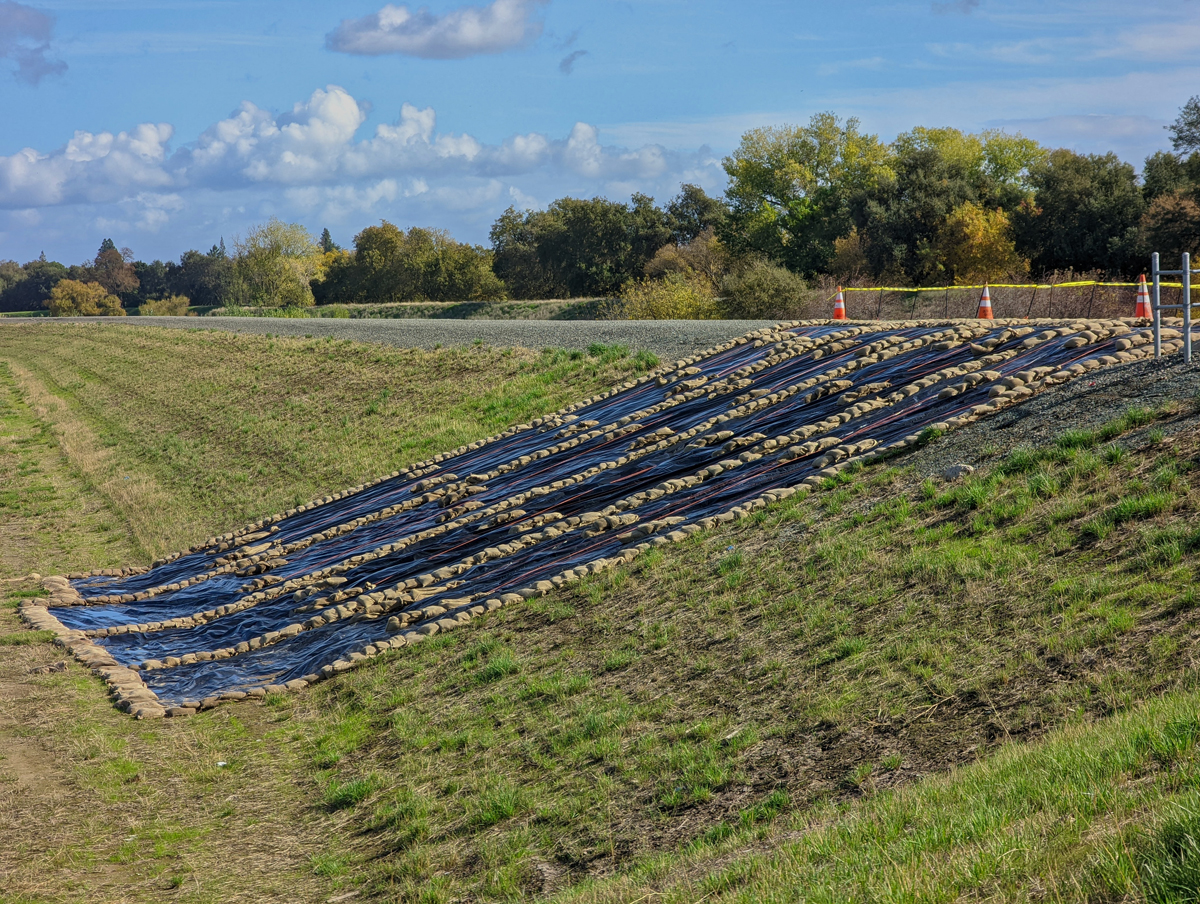
When properly installed, quality pool liners can last anywhere from 20-40 years. However, the chosen material does not matter when it comes to lifespan. Other variables can also influence how long these liners ultimately last.
What Is A Pond Liner?
A pond liner is a waterproof membrane used to create a barrier between the water in a pond and the surrounding soil. It helps prevent water from gradually soaking into the ground.
How Long Does A Pool Liner Last?
The majority of quality pool liners can last up to 40 years. Some EPDM liners have even lasted longer than 40 years recently.
This does not mean each and every material will enjoy longevity, though. Maintenance upkeep, manufacturing quality, installation, climate, and more can impact how long these liners last.
Pool Liner Lifespan Based On Material
Let’s take at how the average lifespan of a pond liner will vary based on material:
| Type Of Pond Liner | Average Lifespan |
| Preformed Pond Shells | 10-20 Years |
| PVC | 10-20 Years |
| Reinforced Polyethylene | 20-Plus Years |
| Other Polyethylene Liners | Varies By Material |
| EPDM Rubber | 20-30 Years |
These figures should be taken as general expectations instead of guarantees.
Pond Liner FAQs
How thick should a pond liner be?
It depends on the pond’s size and conditions. Thicker liners generally provide greater resistance to punctures and wear. For many residential ponds, 45-mil EPDM is a commonly used option.
Can pond liners be installed over rocks or rough ground?
They can, but sharp rocks, roots, and other objects should be removed or covered with a suitable protective underlayment first. This helps reduce the risk of punctures.
Do I need an underlayment beneath my pond liner?
An underlayment is often recommended. It provides an additional protective layer between the liner and the soil, helping protect the liner from roots, rocks, and other abrasive materials.
Can a pond liner be repaired if it gets a hole?
Yes. Small punctures and tears can often be repaired using a repair kit appropriate for the liner material. Larger or damaged areas may require more extensive repairs or replacement.
What is the difference between EPDM and PVC pond liners?
EPDM is a flexible synthetic rubber that handles curves and movement well. PVC is generally lighter and can be easier to work with in some applications, but it typically has different flexibility and temperature characteristics. The best choice depends on the pond’s size, shape, climate, and intended use.
Eagle Environmental Products, Inc. was formed in 1995 and has been serving the state of Arizona ever since. Our team has over 50 years of combined experience in the geosynthetic and erosion control industry. We specialize in a wide variety of geotextile products such as, woven, non-woven fabrics used in drainage, filtration, stabilization and separation.