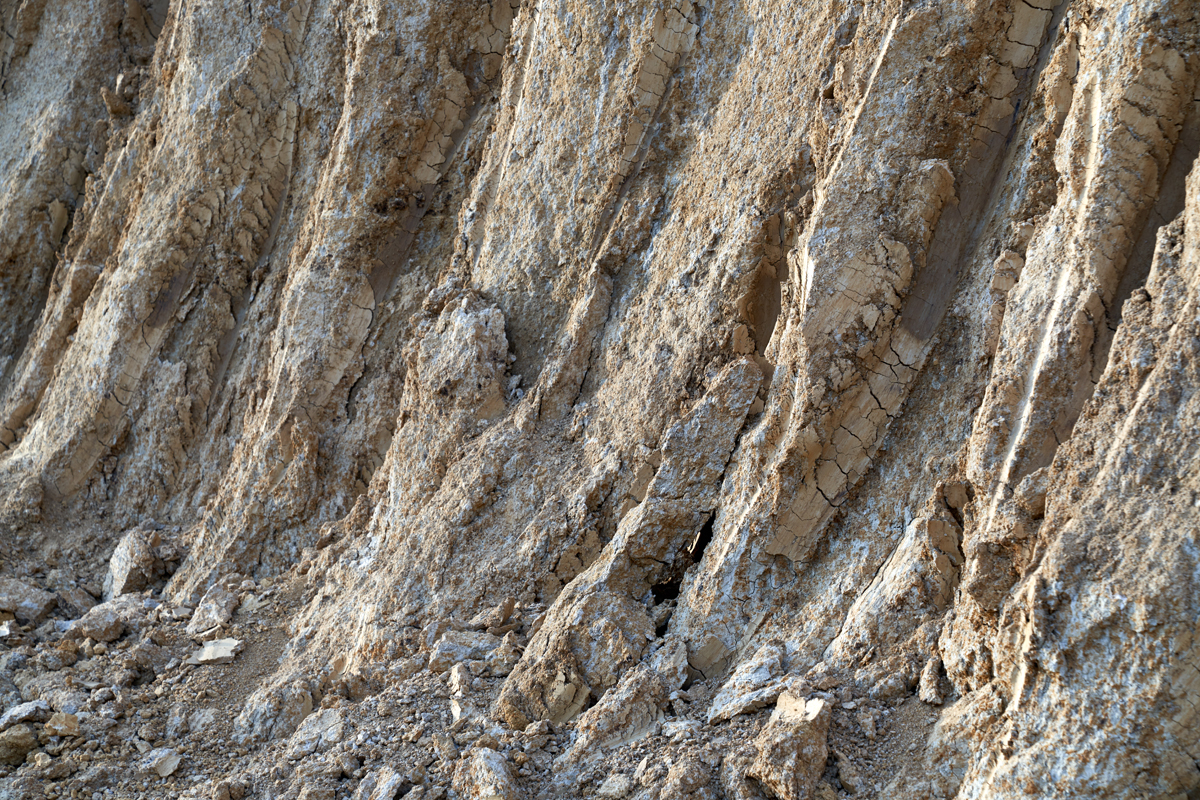
When rocks are broken down and moved from their original location it is the result of both weathering and erosion. Let’s take a look at how the weathering and erosion processes differ.
Types Of Erosion
The force that removes soil, rock, or stone from its original site is usually used to distinguish distinct types of erosion. Without a question, the most frequent cause of erosion is water. Rocks and soil can be worn down and carried down the banks by flowing water.
For example, millions of years of this kind of erosion created the Grand Canyon. Similar sorts of erosion continue to occur throughout the oceans today.
Only smaller rock, dust, or ash particles are susceptible to wind erosion. Nevertheless, it is still capable of transporting enormous amounts of particles to new areas. One outcome of this type of erosion is large sand dunes. Even though it happens infrequently, ice erosion can transport massive rocks great distances.
Types Of Weathering
There are two distinct weathering types that can alter rock in different ways. Physical weathering is a process that ultimately breaks down a rock’s physical structure. For instance, water that gets into holes in colder environments will freeze, resulting in expansion of the holes and eventually cracking and splitting of the rocks.
This same process can be caused by either the buildup of salt or growing tree roots. An additional form of physical weathering can occur when wind or water forces rocks to rub against one another. This can eventually sooth their surfaces, overall.
Chemical weathering can change a rock’s chemical structure, causing it to become softer or more brittle. Iron in a rock could react with oxygen to form rust or acids in rainwater, for instance. This could remove calcium from marble and limestone. In most cases, chemical weathering will precede physical weathering, which makes rocks more vulnerable to inclement weather.
What Are The Differences Between Weathering And Erosion?
The biggest difference between erosion and weathering lies in where the process ultimately takes place. Weathering will never change a rock’s location, while erosion will. Weathering often leads to erosion, breaking rocks down into small particles that wind and water can carry away.
Wind abrasion is one example of a process involving both weathering and erosion. Wind picks up small rock pieces and blows them against larger stones, resulting in larger formations breaking off. This same wind will them pick the particles up and take them far away from where they originally broke off.
Geotextile Solutions And Soil Erosion Control From Eagle Environmental AZ
Eagle Environmental Products, Inc. was formed in 1995 and has been serving the state of Arizona ever since. Our team has over 50 years of combined experience in the geosynthetic and erosion control industry. We specialize in a wide variety of geotextile products such as, woven, non-woven fabrics used in drainage, filtration, stabilization and separation.