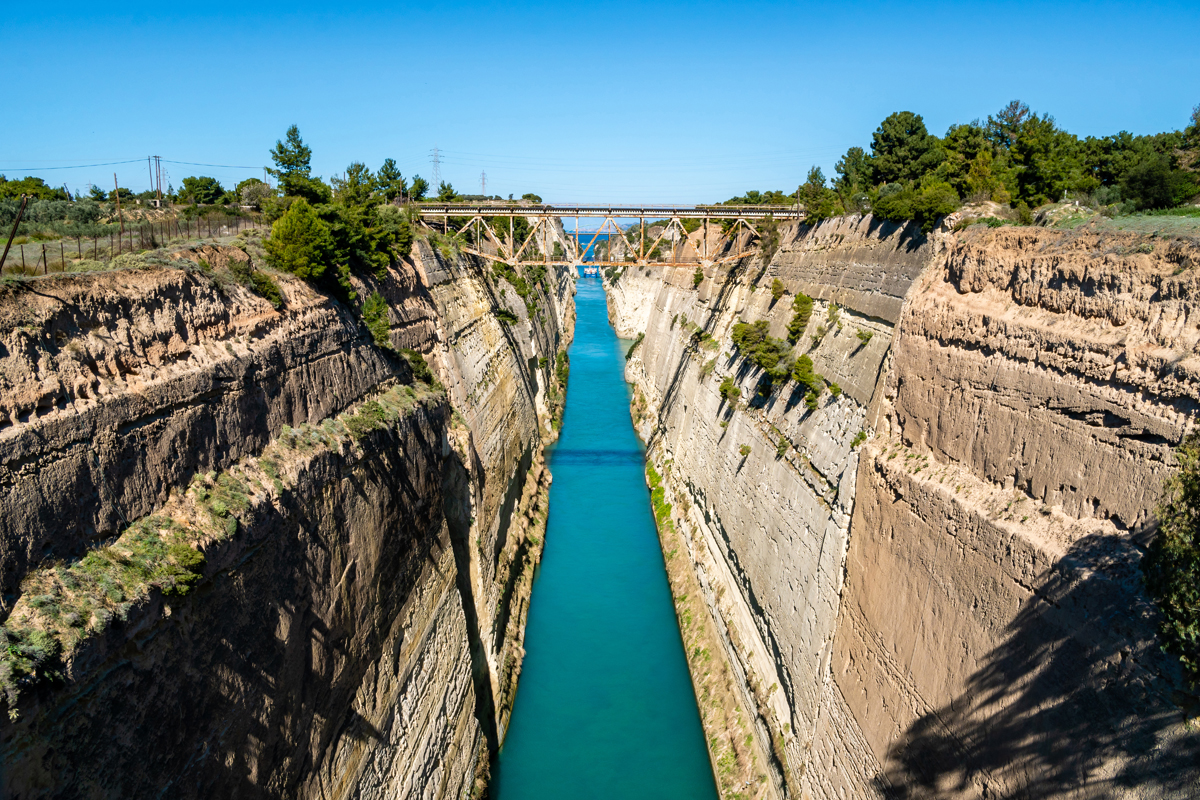
It’s no secret that water is one of the biggest forces that shapes the surface of the earth. Erosion is one of its most significant processes when it comes to forming the surfaces all around us.
How Water Causes Erosion
Depending on both the speed and force of the water, erosion can occur in a few different ways. Let’s take a look at how water can cause erosion below.
Sheet Erosion
The most widespread form of erosion is undoubtedly sheet erosion. This happens when rainfall hits the ground and begins flow over the surface. This ultimately carries away soil particles.
During this process, the water doesn’t form channels. Instead, spores will spread out in an even sheet. This erosion type is more common in gently sloping areas. Oftentimes, the damage is quite minor.
Bank Erosion
When water is flowing along the banks of a stream or river, bank erosion can occur. This occurs when the water erodes and undercuts the banks.
When this happens, the banks could collapse and move. Bank erosion tends to be a big problem in areas that feature high flow rates.
Gully Erosion
This type of erosion can happen when water flow becomes intense. The rills merge together to form a large channel referred to as a gully.
Gullies are often several meters deep and wide with the ability to cause severe soil damage. Gully erosion usually occurs in areas experiencing heavy rainfall on steep slopes.
Splash Erosion
When small water droplets hit the soil surface and splash up, this is referred to as splash erosion. This causes tiny soil particles to move elsewhere.
This erosion type can be quite significant in areas with high-intensity rainfall, usually resulting in a loss of soil fertility.
Groundwater Erosion
Groundwater erosion occurs when the water dissolves and moves mineral particles from the soil and rock layers beneath the surface.
Sinkholes, cave systems, and even underground drainage channels can be created due to this process.
Rill Erosion
During rill erosion, water flow becomes more intense and begins to form small channels on a slope. The water will move along these channels, deepening them and removing soil particles.
Once the rills deepen, they will merge to form large channels aka gullies. Moderate rainfall on steep slopes can cause this type of erosion.
How Does Erosion Control Work?
Retaining fertile topsoil is the primary focus of erosion control. Topsoil is rich in organic matter and nutrients needed to sustain healthy plant growth. When this layer of soil is lost, the land’s ability to sustain vegetation and reduce water infiltration is greatly diminished.
One other core objective is preventing sedimentation. This is ultimately designed to protect both environmental infrastructure and quality. When sediment enters waterways, they can cause pollution, clog storm drains, and harm aquatic ecosystems.
Control measures are used to focus on managing stormwater runoff by reducing its volume and velocity. This will then allow for better infiltration and results in decreasing the water’s capacity to transport soil particles.
Erosion control strategies are typically divided into two categories addressing different levels of severity and site conditions. The first category deals with vegetative and biological stabilization, which is often referred to as bio engineering. This strategy relies on plant life and natural materials to manage soil and water dynamics.
The other category involves structural and engineered solutions, which are known as mechanical control. These methods call for constructing physical barriers or completely altering the landform. Choosing between these two methods depends on the steepness of the slop, intensity of water flow, and the site’s requirements for long-term stability.
Geotextile Solutions And Soil Erosion Control From Eagle Environmental AZ
Eagle Environmental Products, Inc. was formed in 1995 and has been serving the state of Arizona ever since. Our team has over 50 years of combined experience in the geosynthetic and erosion control industry. We specialize in a wide variety of geotextile products such as, woven, non-woven fabrics used in drainage, filtration, stabilization and separation.