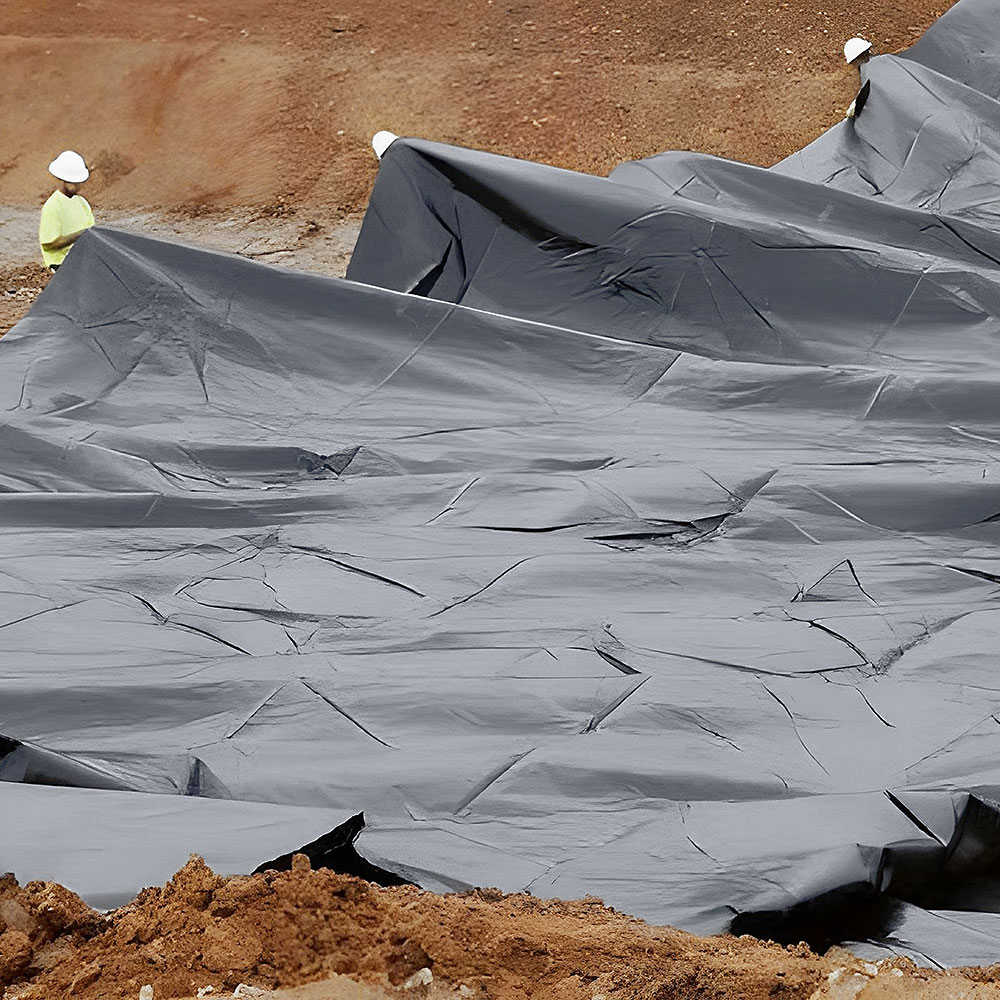
In order to properly hide your pond liner edges, you’ll have to conceal the plastic edges while keeping the liner high enough above the water. Let’s take a look at some of the best methods below.
What Is A Pond Liner?
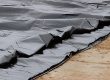
A pond liner is a waterproof membrane used to create a barrier between the water in a pond and the surrounding soil. It helps prevent water from gradually soaking into the ground.
How Can You Hide Pond Liner Edges?
There are a few common ways to hide the edges of a pond liner. Keep these tips in mind prior to embarking on this task:
- Check for any low edges.
- Always leave some slack during installation.
- Prevent wicking.
Try these landscaping ideas below.
Add Aquatic Plants
Many homeowners choose to use pots or plant shelves to grow plants like iris and water lilies. As these marginal plants grow they will naturally drape over any edges.
Their foliage and trailing stems can blur the line between the land and water.
Gravel And Backfilling
You could also fold the excess liner behind a stone back-bead or a vertical earth. Then, you can conceal the transition zone with the help of mulch, river cobble, or pea gravel.
Fold Turf Or Use Grass
Just behind the perimeter rockwork, build up a low stone or soil ledge. Let your grass or turf fold over the edges, allowing you to maintain a seamless yard appearance.
Perimeter Shelves And Rock Stack
A small shelf between 12-18 inches can be dug around the edge of the pond. In this area, you can place flagstones or flat stones on the shelf.
This is done to let the stones ultimately overhang the edge. A second course of rocks can be stacked above the waterline to hide the liner edges completely.
Pavers, Bricks, Or Timber
Lay bricks, treated timber, or even concrete paving slabs directly over a leveled perimeter footing for a structured look.
Try to bring the liner up behind or even into a small cavity beneath the coping stones. Secure them using mulch, river cobble, or pea gravel.
Pond Liner FAQs
How Long Should A Pool Liner Last?
The majority of quality pool liners can last up to 40 years. Some EPDM liners have even lasted longer than 40 years recently.
This does not mean each and every material will enjoy longevity, though. Maintenance upkeep, manufacturing quality, installation, climate, and more can impact how long these liners last.
How thick should a pond liner be?
It depends on the pond’s size and conditions. Thicker liners generally provide greater resistance to punctures and wear. For many residential ponds, 45-mil EPDM is a commonly used option.
Can pond liners be installed over rocks or rough ground?
They can, but sharp rocks, roots, and other objects should be removed or covered with a suitable protective underlayment first. This helps reduce the risk of punctures.
Do I need an underlayment beneath my pond liner?
An underlayment is often recommended. It provides an additional protective layer between the liner and the soil, helping protect the liner from roots, rocks, and other abrasive materials.
Can a pond liner be repaired if it gets a hole?
Yes. Small punctures and tears can often be repaired using a repair kit appropriate for the liner material. Larger or damaged areas may require more extensive repairs or replacement.
What is the difference between EPDM and PVC pond liners?
EPDM is a flexible synthetic rubber that handles curves and movement well. PVC is generally lighter and can be easier to work with in some applications, but it typically has different flexibility and temperature characteristics. The best choice depends on the pond’s size, shape, climate, and intended use.
Eagle Environmental Products, Inc. was formed in 1995 and has been serving the state of Arizona ever since. Our team has over 50 years of combined experience in the geosynthetic and erosion control industry. We specialize in a wide variety of geotextile products such as, woven, non-woven fabrics used in drainage, filtration, stabilization and separation.