Soil erosion represents far more than a minor inconvenience; it poses significant threats to water quality, diminishes agricultural productivity, and ultimately elevates operational expenses for farming enterprises. The following section examines established soil erosion prevention methodologies.
What Constitutes Soil Erosion?
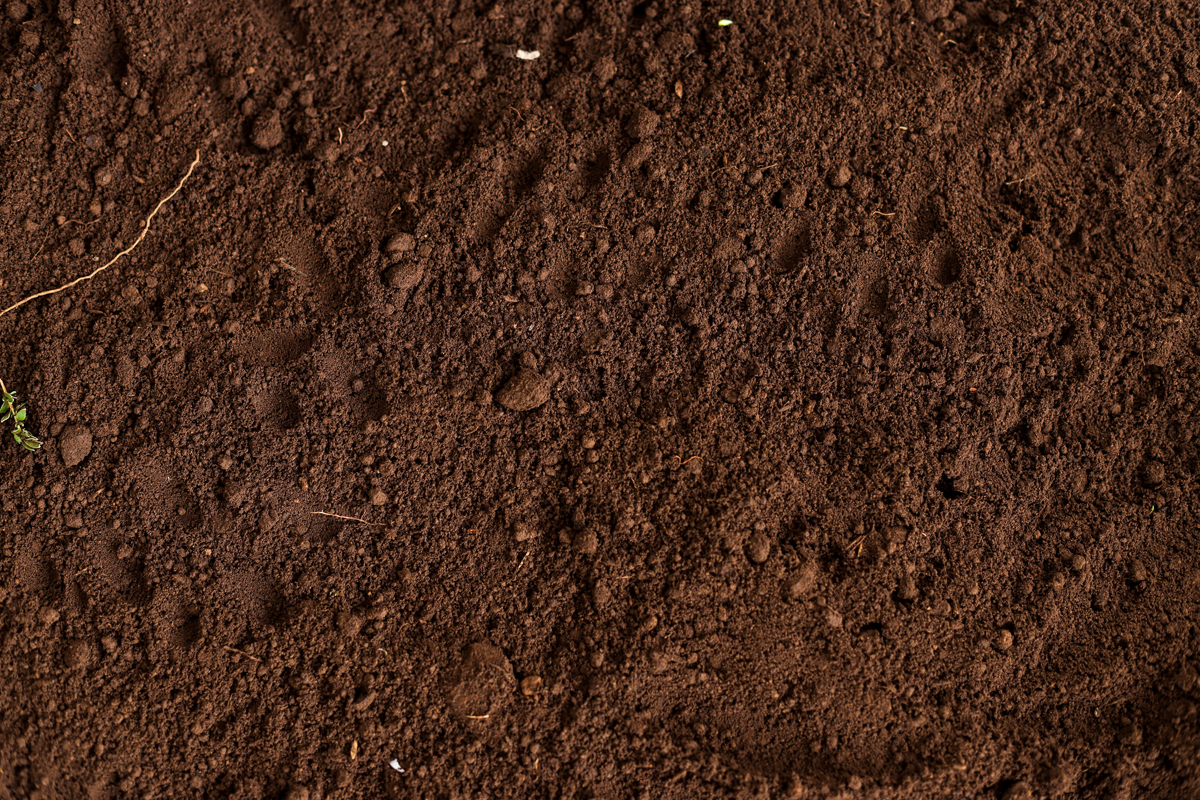
The preservation of nutrient-rich topsoil constitutes the fundamental objective of erosion management. Topsoil contains substantial quantities of organic matter and essential nutrients required to support robust plant development. The loss of this critical soil layer substantially compromises the land’s capacity to support vegetation and facilitate water infiltration.
Another essential goal involves mitigating sedimentation processes. This objective fundamentally aims to safeguard both environmental infrastructure and ecological integrity.
When sediment becomes suspended in aquatic systems, it generates pollution, obstructs drainage infrastructure, and damages aquatic habitats. Management strategies concentrate on regulating stormwater runoff through reduction of both volume and velocity.
This approach facilitates improved water percolation and consequently reduces the water’s ability to transport soil particles. Soil erosion is characterized as the progressive deterioration of land surface. The three primary contributors to soil erosion are atmospheric wind, water movement, and agricultural tillage practices.
How To Prevent Soil Erosion
There are some proven methods used today to prevent the erosion of soil. Try one of these techniques below to combat erosion.
Crop Rotation
The rotation of high-residue crops, such as small grain, hay, and corn, can reduce the erosion. The layer of residue ultimately protects the topsoil from being carried away by both wind and water.
Contour Farming
This type of farming involves planting in row patterns running level around a hill. This is done instead of planting up and down a slope.
Contour farming has shown to reduce runoff while also decreasing the risk of water erosion.
Terrace Farming
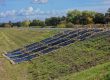
This involves planting in flat areas created on hillsides. It is done in a step-like formation and has been very successful at combating erosion.
Diversion Structures
This is often used for gully control. Diversion structures will cause water to flow along a desired path away from any at-risk areas ripe for erosion.
Strip Farming
Areas featuring a particularly steep slope call for planting fields in long strips. This should be alternated in a crop rotation system for the best results.
Grassy Waterways
By simply planting grass in areas of concentrated water flow, you can prevent a lot of erosion resulting from runoff. The grass will stabilize the soil while also providing an outlet for any drainage.
Geotextile Solutions And Soil Erosion Control From Eagle Environmental AZ
Eagle Environmental Products, Inc. was formed in 1995 and has been serving the state of Arizona ever since. Our team has over 50 years of combined experience in the geosynthetic and erosion control industry. We specialize in a wide variety of geotextile products such as, woven, non-woven fabrics used in drainage, filtration, stabilization and separation.